
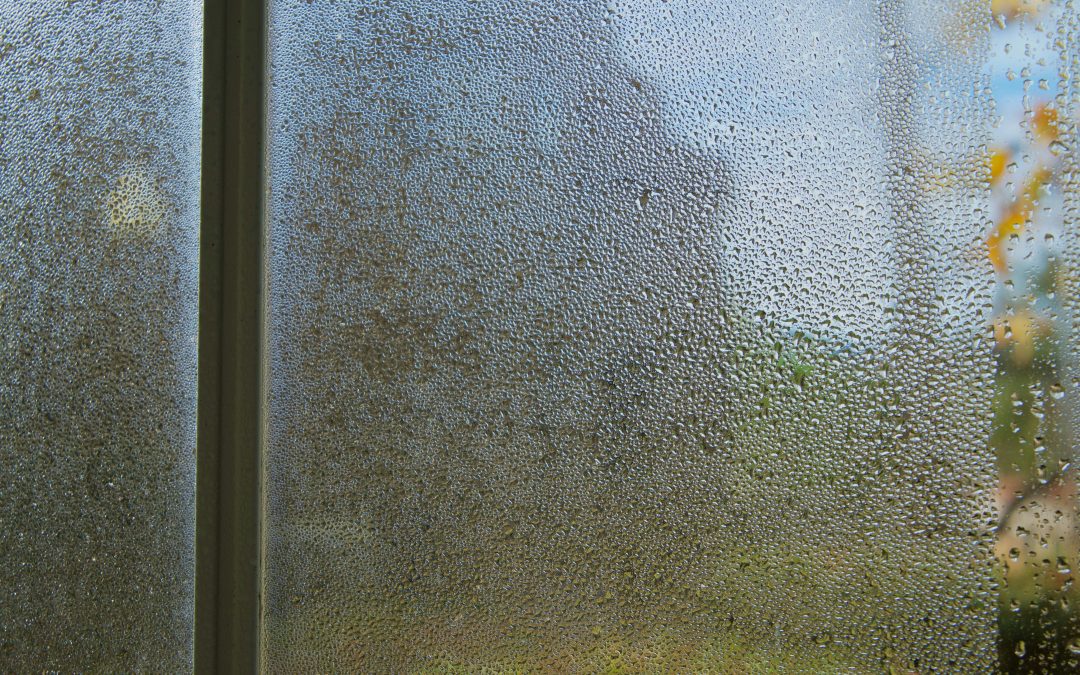
If you’ve ever noticed white, cloudy spots or streaks that just won’t come off your windows no matter how hard you scrub, you’re likely dealing with hard water stains. These stubborn marks are caused by minerals like calcium and magnesium that dry and bond to glass surfaces over time.
While household cleaners might remove light buildup, truly etched-in mineral deposits require stronger solutions and specialized techniques. So, what do the experts do differently? Let’s break down what professional window cleaners use on hard water stains—and how you can achieve that same spotless shine at home.
What Causes Hard Water Stains on Windows?
Hard water stains form when mineral-rich water evaporates on glass surfaces. The remaining minerals leave behind visible deposits that can dull transparency and even etch into the glass.
Common sources include:
- Sprinkler overspray hitting windows regularly.
- Rainwater runoff from concrete or brick.
- Tap water residue from cleaning or rinsing.
- Shower glass exposure in bathrooms.
Over time, if these stains aren’t removed, they can penetrate the glass surface, making cleaning more difficult.
What Professionals Use to Remove Hard Water Stains
Professional window cleaners use a combination of specialized cleaning solutions, tools, and techniques to safely dissolve mineral deposits without scratching or damaging the glass.
Here’s what’s in their toolkit.
1. Commercial-Grade Hard Water Stain Removers
Professional cleaners rely on high-strength products formulated to dissolve calcium and magnesium buildup. Popular options include:
- OneRestore® – An industry favorite that removes mineral deposits, oxidation, and soap scum.
- Bio-Clean® Water Stain Remover – Uses mild abrasives and non-toxic ingredients to lift off stains.
- Winsol Crystal Clear 550® – Ideal for severe cases, restoring clarity to glass and metal surfaces.
These cleaners often contain mild acids or abrasives that break down mineral bonds. Professionals carefully dilute or test them to avoid etching delicate surfaces.
2. Acid-Based Cleaners (for Severe Buildup)
For older, etched stains, professionals may use diluted acid-based solutions like:
- Phosphoric acid – Commonly used for medium mineral deposits.
- Hydrochloric acid – Used only for extreme buildup, and with proper safety gear.
Because acids can damage glass coatings or window frames, these are applied with precision and neutralized immediately after treatment. It’s a method best left to experienced technicians.
3. Pumice Pads and Non-Scratch Abrasives
When stains are too stubborn for chemicals alone, cleaners use fine pumice pads or polishing compounds designed for glass.
Unlike steel wool, which can scratch, 0000-grade (super fine) steel wool or specialized glass polishing pads can safely buff away mineral deposits. The key is using light pressure and lubrication—often with a cleaning solution—to avoid surface damage.
4. Pure Water Cleaning Systems
After stain removal, professionals often use deionized (DI) or purified water systems for final rinsing. These systems remove all minerals from the water, preventing new stains from forming.
Deionized water is especially useful for large commercial windows or solar panels because it dries spot-free without any residue.
5. Professional-Grade Squeegees and Microfiber Cloths
The right tools make a huge difference. After treatment, professionals finish with:
- High-quality rubber squeegees – For streak-free drying.
- Microfiber towels – To wipe edges and frames without lint.
- Extension poles – For reaching high windows safely.
Proper technique—like keeping the blade angled and drying between swipes—ensures a flawless finish every time.
How the Professional Process Works
Here’s how professional window cleaners typically approach hard water stain removal step by step:
- Inspection: They assess the severity of stains and glass condition. Older or etched windows may require different treatment.
- Pre-Cleaning: Loose dirt, dust, or debris is removed with mild soap and water.
- Application of Stain Remover: The cleaning solution is applied to the affected areas with a sponge or applicator pad.
- Agitation: Using circular motions with a soft pad or steel wool, the cleaner gently works the product into the glass.
- Rinse and Neutralize: After a few minutes, the product is rinsed with purified water or neutralized if an acid-based cleaner was used.
- Final Polish: A squeegee or microfiber cloth is used to dry and polish the surface to perfection.
For heavily stained glass, this process might be repeated, or a combination of chemical and mechanical cleaning may be used.
Safe DIY Alternatives for Homeowners
If your stains are light to moderate, you can try some safe at-home solutions inspired by professional methods:
- White Vinegar: Mix equal parts vinegar and water, apply with a cloth, and let it sit for 5–10 minutes before wiping clean.
- Baking Soda Paste: Combine baking soda with a little water to make a paste. Apply gently to stains and rinse thoroughly.
- Lemon Juice: The citric acid helps dissolve mineral buildup naturally.
Always avoid harsh abrasives or razor blades, as they can permanently scratch glass.
Preventing Hard Water Stains
Once you’ve cleaned your windows, prevention is key to keeping them spotless. Here’s how professionals recommend maintaining that crystal-clear look:
- Install drip edges or splash guards to prevent sprinkler water from hitting windows.
- Wipe windows dry after rain or cleaning.
- Apply a glass sealant or protective coating to create a hydrophobic barrier that repels water and minerals.
- Use deionized water for future cleanings to eliminate mineral residue.
- Clean regularly, ideally every three to six months, before buildup becomes stubborn.
When to Call a Professional
While DIY methods can handle mild stains, professional cleaning is the best option when:
- Glass appears cloudy or etched.
- Stains are widespread or old.
- Windows are located in hard-to-reach areas.
- You want to restore glass to like-new clarity.
Professionals have the right equipment, safety gear, and knowledge to restore clarity without damaging glass coatings or frames.
Final Thoughts
So, what do professional window cleaners use on hard water stains? They rely on a combination of commercial-grade mineral removers, fine abrasives, and purified water systems to achieve crystal-clear, streak-free results.
By combining science, experience, and precision tools, professionals can safely restore even the most stained windows to their original brilliance. And with regular maintenance and protective coatings, you can keep them that way for years to come.
Whether it’s your home’s front windows or a commercial building facade, understanding these techniques helps you appreciate the expertise that goes into every sparkling pane.