
Have you ever spent 20 minutes looking for your keys, only to find them under a pile of mail? Or opened a closet only to have boxes and clothes tumble out? You’re definitely not alone. Clutter has a way of building up little by little until it starts making your home feel smaller, more stressful, and harder to manage.
The good news is that creating an organized home doesn’t require a complete lifestyle overhaul. Learning how to declutter your home for good is about building simple habits that keep clutter from returning, rather than spending an entire weekend cleaning only to repeat the process a few months later.
According to a survey conducted by the National Association of Productivity & Organizing Professionals (NAPO), many people report feeling less stressed and more productive when their homes are organized. While everyone’s experience is different, a tidy space often makes daily routines feel more manageable.
Let’s explore practical ways to create a home that’s easier to maintain and more enjoyable to live in.
Understand Why Clutter Builds Up
Before you start filling donation boxes, it’s helpful to understand how clutter happens in the first place.
Some common reasons include:
- Buying items without a plan
- Holding onto things “just in case”
- Emotional attachment
- Lack of storage
- Busy schedules
- Delaying decisions
Recognizing your habits makes it easier to prevent clutter from returning.
After all, how to declutter your home for good isn’t just about removing items. It’s about changing the habits that created the clutter.
Start With One Small Area
Looking at your entire home can feel overwhelming.
Instead of trying to organize everything in one day, choose one manageable space.
Good places to begin include:
- A bathroom drawer
- The kitchen junk drawer
- A single closet shelf
- Your bedside table
- One kitchen cabinet
Completing a small project builds momentum and keeps you motivated.
Use the Keep, Donate, Recycle, and Trash Method
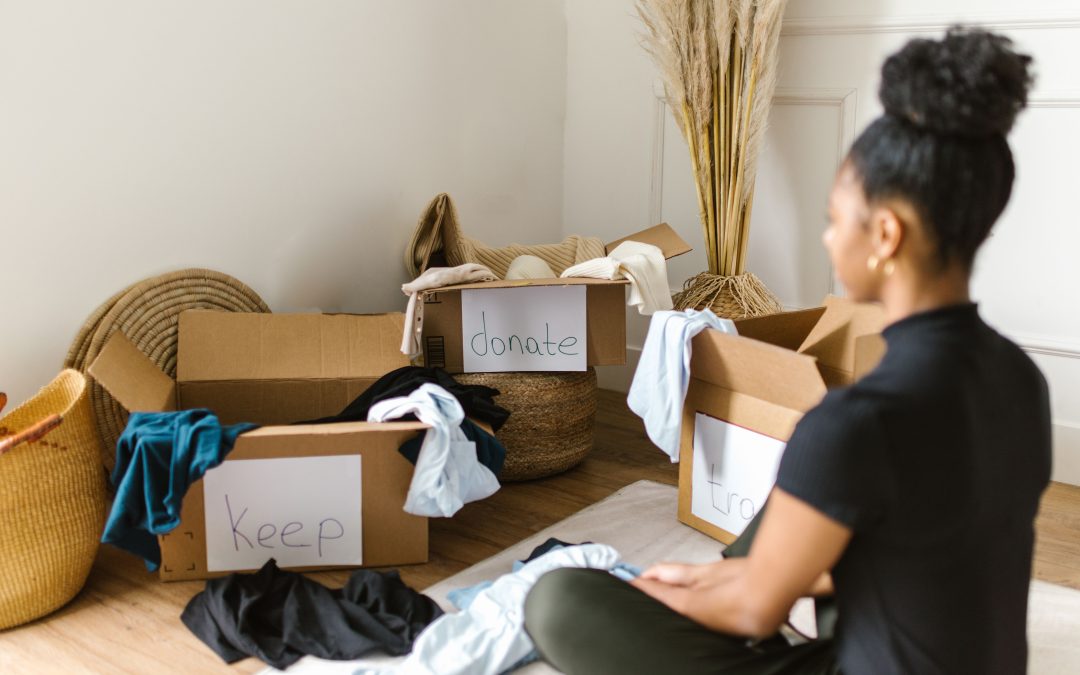
One of the easiest ways to make decisions is by sorting every item into four categories.
These include:
- Keep
- Donate
- Recycle
- Trash
If an item no longer serves a purpose, is broken beyond repair, or hasn’t been used in years, it may be time to let it go.
This simple system helps prevent piles from moving from one room to another.
Ask Yourself Helpful Questions
When you’re unsure whether to keep something, ask questions like:
- Have I used this in the past year?
- Would I buy it again today?
- Does it still serve a purpose?
- Is it worth the space it occupies?
- Could someone else benefit from it more?
These questions make decision-making easier and reduce emotional hesitation.
Declutter One Category at a Time
Some people find it easier to organize by category instead of room.
For example, gather all your:
- Shoes
- Books
- Kitchen gadgets
- Towels
- Clothing
- Office supplies
Seeing everything together often reveals duplicates and unused items that are easier to part with.
Create a Home for Everything
One reason clutter returns is because items don’t have designated storage locations.
Everyday objects should have permanent homes.
Examples include:
- Keys by the entryway
- Mail in one organizer
- Chargers in a labeled drawer
- Cleaning supplies in one cabinet
- Children’s toys in storage bins
When everything has a place, cleaning becomes much faster.
Follow the One In, One Out Rule
One of the simplest habits for maintaining organization is the “one in, one out” rule.
Whenever you purchase something new, consider donating or recycling one similar item.
For example:
- Buy a new sweater, donate an old one.
- Replace cookware, remove worn pieces.
- Purchase new shoes, donate an older pair.
This habit prevents belongings from gradually taking over your home.
Reduce Paper Clutter
Paper tends to accumulate quickly.
Sort through:
- Old bills
- Magazines
- Manuals
- Junk mail
- School papers
Whenever possible:
- Go paperless with bills.
- Digitize important documents.
- Recycle unnecessary paperwork promptly.
A simple filing system keeps important documents easy to find.
Organize Storage Areas
Closets, garages, basements, and attics often become catch-all spaces.
Take time to organize these areas using:
- Clear storage bins
- Labels
- Shelving
- Stackable containers
Store frequently used items where they’re easy to reach and seasonal items in higher or less accessible spaces.
Avoid Buying Storage Before Decluttering
Many people buy bins before reducing their belongings.
Instead, declutter first.
Once you know exactly what you’re keeping, you’ll have a much better idea of what storage solutions are actually needed.
Sometimes you may discover you need fewer containers than expected.
Build a Daily Five-Minute Reset
One of the best long-term habits is spending just five minutes each day putting things back where they belong.
During your daily reset:
- Fold blankets.
- Return dishes to the kitchen.
- Put away shoes.
- Sort mail.
- Clear countertops.
These small routines prevent clutter from building up again.
Learning how to declutter your home for good often comes down to maintaining simple daily habits rather than occasional deep cleaning sessions.
Be Thoughtful About New Purchases
Decluttering becomes much easier when fewer unnecessary items enter your home.
Before buying something, ask yourself:
- Do I truly need it?
- Do I already own something similar?
- Where will I store it?
- Will I actually use it?
Thoughtful shopping helps reduce future clutter.
Get the Whole Family Involved
Keeping a home organized works best when everyone participates.
Assign simple responsibilities such as:
- Children putting away toys
- Family members sorting laundry
- Everyone returning items to their proper places
Shared routines make maintaining an organized home much easier.
Celebrate Progress Instead of Perfection
No home stays perfectly organized every single day.
Life happens.
The goal isn’t perfection but creating systems that are easy to maintain.
Celebrate small wins like:
- Clearing one closet
- Organizing one cabinet
- Keeping surfaces clutter-free for a week
Progress builds motivation over time.
Make Decluttering a Seasonal Habit
Even organized homes benefit from regular reviews.
Every few months, take time to reassess your belongings.
Look through:
- Closets
- Pantry shelves
- Storage bins
- Linen closets
- Garage shelves
Removing unused items regularly prevents clutter from slowly returning.
This ongoing maintenance is an important part of how to declutter your home for good.
Conclusion
Learning how to declutter your home for good isn’t about throwing away everything you own or striving for a picture-perfect house. It’s about creating practical habits that make your home easier to manage and more enjoyable to live in.
By starting small, organizing one area at a time, giving every item a home, and building simple daily routines, you can create lasting organization without feeling overwhelmed. Remember that decluttering is a journey, not a one-time project. With consistency and thoughtful habits, you’ll enjoy a cleaner, calmer, and more functional home for years to come.