
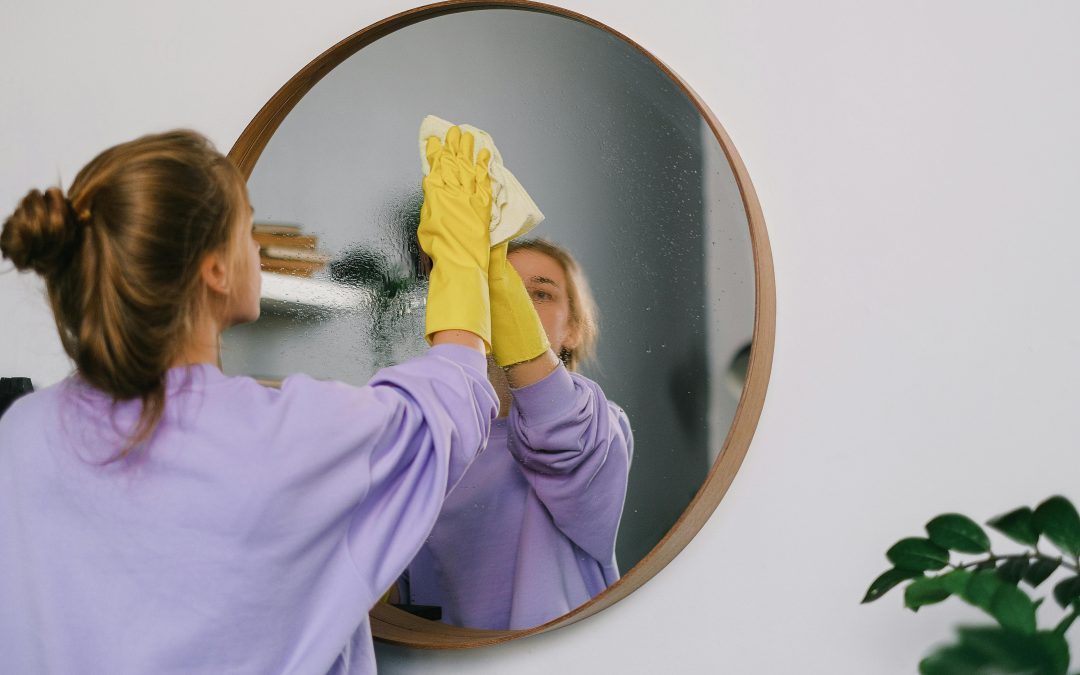
Keeping your home clean is easier when you follow a structured routine, but many people struggle to decide how often they should clean. That is where the weekly vs biweekly house cleaning checklist comparison becomes useful. The right schedule depends on your lifestyle, home size, and how much time you can realistically dedicate to cleaning.
A consistent cleaning routine does more than improve appearance. It also helps control dust, allergens, and bacteria, making your home healthier and more comfortable to live in.
According to the American Cleaning Institute, regular cleaning routines reduce indoor dust and allergen buildup, which can improve overall indoor air quality and comfort.
Why Cleaning Frequency Matters
Before comparing weekly vs biweekly house cleaning checklist routines, it helps to understand why frequency is important.
Cleaning more often:
- Keeps dirt from building up
- Makes each cleaning session faster
- Maintains better hygiene
- Reduces deep cleaning needs
Cleaning less often:
- Saves time in the short term
- Requires more effort per session
- Can lead to buildup of grime and dust
The goal is to find a balance that fits your lifestyle.
What Is a Weekly House Cleaning Checklist?
A weekly cleaning routine means you clean key areas of your home every week. It focuses on maintenance cleaning rather than deep scrubbing.
A typical weekly checklist includes:
- Sweeping and mopping floors
- Vacuuming carpets and rugs
- Cleaning kitchen counters and stove
- Wiping bathroom sinks and toilets
- Dusting common surfaces
- Taking out trash
- Changing bed sheets
This schedule keeps your home consistently fresh and prevents buildup.
What Is a Biweekly House Cleaning Checklist?
A biweekly cleaning routine means cleaning every two weeks. This approach is often used by busy households or smaller homes that do not accumulate dirt quickly.
A typical biweekly checklist includes:
- Deep vacuuming and floor cleaning
- Bathroom scrubbing (toilet, tiles, shower)
- Kitchen deep cleaning, including appliances
- Dusting all furniture and corners
- Changing bed linens
- Cleaning mirrors and glass surfaces
Since cleaning is less frequent, each session usually takes longer.
Weekly vs Biweekly House Cleaning Checklist: Key Differences
When comparing the weekly vs biweekly house cleaning checklist, the main differences come down to effort and maintenance level.
Weekly cleaning:
- Less buildup of dirt
- Shorter cleaning sessions
- More consistent hygiene
- Easier to manage day-to-day mess
Biweekly cleaning:
- Longer, more intensive cleaning sessions
- More visible dirt buildup between cleanings
- Better for low-traffic homes
- Saves time during busy weeks
Both approaches can work depending on your household needs.
Which Cleaning Schedule Is Better for Families?
For families, especially those with children or pets, weekly cleaning is often more practical.
Reasons include:
- More frequent messes and spills
- Higher foot traffic in the home
- Increased dust and allergens
- Need for consistent hygiene
Weekly cleaning helps maintain control and prevents overwhelming buildup.
Which Schedule Works for Single or Busy Professionals?
Biweekly cleaning may work better for individuals or busy professionals who spend less time at home.
It is suitable when:
- The home is lightly used
- You travel frequently
- You prefer longer but less frequent cleaning sessions
- You have minimal daily mess
However, small daily tidying is still important in between.
How to Decide Between Weekly and Biweekly Cleaning
Choosing between weekly vs biweekly house cleaning checklist routines depends on a few key factors:
- Household size
- Presence of pets or children
- Work schedule and free time
- Allergy or health concerns
- Home usage level
A high-traffic home usually needs weekly cleaning, while low-traffic homes can manage with biweekly routines.
Hybrid Cleaning Approach (Best of Both)
Many homeowners use a hybrid method instead of strictly weekly or biweekly schedules.
For example:
- Light cleaning weekly
- Deep cleaning every two weeks
- Daily quick tidying tasks
This approach balances cleanliness and time efficiency.
Simple Daily Habits That Reduce Cleaning Time
No matter your schedule, small daily habits make a big difference:
- Wipe kitchen counters after use
- Put items back in place immediately
- Do a 5-minute evening tidy-up
- Handle dishes daily instead of letting them pile up
These habits reduce the workload for both weekly and biweekly cleaning routines.
Final Thoughts
Understanding the weekly vs biweekly house cleaning checklist helps you choose a routine that fits your lifestyle instead of forcing a one-size-fits-all schedule. Weekly cleaning offers consistency and easier maintenance, while biweekly cleaning provides flexibility and saves time.
The best option is the one you can stick to consistently. Whether you choose weekly, biweekly, or a mix of both, staying organized is what keeps your home clean, healthy, and comfortable in the long run.